Free Shipping on every order till 25th Feb
Tea Tree Oil vs Salicylic Acid — Which Is Better for Acne?
Compare tea tree for acne and salicylic acid benefits. Learn which acne treatment ingredient suits oily, sensitive, or acne-prone skin best.
2/7/20268 min read
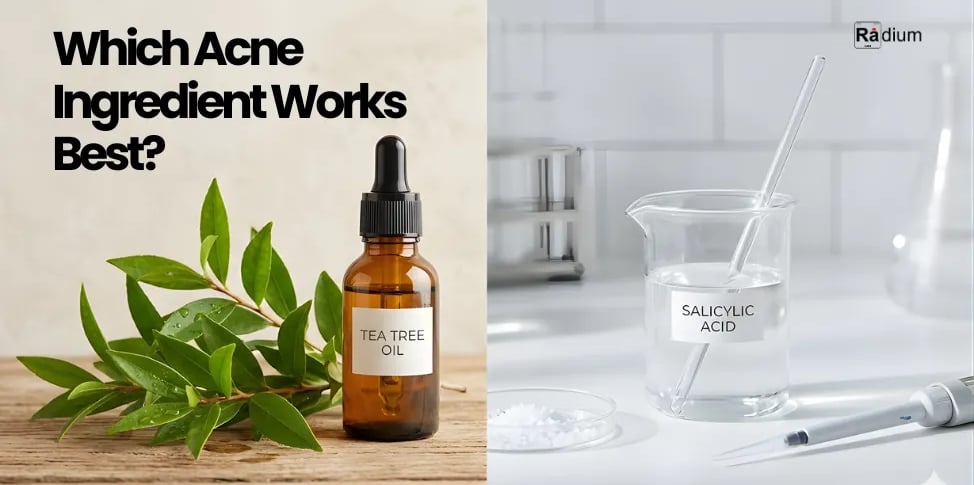
One of the most widespread skin issues on the global level is acne, since not only teenagers, but adults and the representatives of even the 40s age group can be affected by this problem. Between the few times you break out and the constant inflammatory acne, it may be difficult to know which ingredients to use when treating acne. Other solutions that attracted the most discussion include tea tree for acne and salicylic acid benefits, both of them were discussed as effective to clear pores and minimize breakouts.
Which one does really work better, though? Does it suit delicate skin better? Can they be used together? We have to know how these ingredients perform first before making the decisions of what should be in your skincare regime or not.
In this blog, I have separated tea tree oil vs salicylic acid, described their mechanism of action, advantages, side effects, and allowed you to choose the best acnes treatment ingredient based on your skin type and acne issue.
Understanding Acne: Why Treatment Choice Matters
The acne forms when the pores are filled with too much oil (sebum), dead skin cells and bacteria. Its formation is caused by hormonal changes, stress, genetics, diet, and inappropriate skincare. The various forms of acne have different modes of treatment and this is why not all the ingredients of acnes treatment work equally on all people.
There are ingredients that target acnes causing bacteria, those that unclog pores and those that reduce inflammation. Using the incorrect type of active may increase the dryness, irritation or even cause additional breakouts. That is where it is important to know about the tea tree for acne and salicylic acid benefits.
What Is Tea Tree Oil?
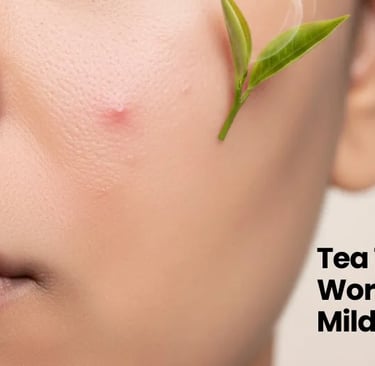
Tea tree oil is an essential oil that is naturally obtained by extracting leaves of Melaleuca alternifolia which is an Australian plant. The traditional medicine application of it has a long history as it has been used decades ago because of its antibacterial and anti-inflammatory effects. Tea tree as an acne skin treatment has become a trend in skincare as a natural alternative to chemical products.
The tea tree oil is not harsh like synthetic acne treatment ingredients and still effective, particularly mild to moderate acne.
How Tea Tree for Acne Works
Tea tree oil is mainly used in the treatment of acne by lowering skin bacteria. Terpinen-4-ol, which is a compound in tea tree oil is the cause of its antimicrobial effect. This is beneficial in managing Cutibacterium acnes which is the bacteria associated with inflammatory breakouts.
Besides killing bacteria, tea tree as an acne treatment also helps to decrease the color and inflammation. This is especially handy in flushed red pimples, pustules and on the rare occasions of hormonal acne. Due to its calming effect, it can be quite less drying than more aggressive acne formulating constituents.
Key Benefits of Tea Tree for Acne
The greatest benefit of oil of tea tree is that it is capable of balancing efficacy and lightness. It lessens active breakouts and does not dry the skin. The tea tree in acne also aids in the accelerated curing of acne pimples and hindering the occurrence of post-acne spots by reducing the effects of inflammation.
Tea tree oil is usually better tolerated by those with sensitive or reactive skin than harsh exfoliating acids. It can also be used by individuals who like vegetarian or skincare simplistic practices.
Limitations of Tea Tree Oil
Although tea tree can be used to treat mild and moderate acne, it might not be effective against the severe cystic acne and comedonal acne. Findings are also time and consistency consuming. Excessive application or application of the tea tree oil in its undiluted form may result in irritation, dryness, or allergy particularly on sensitive skin.
The other drawback is that tea tree oil is not able to exfoliate pores deeply. This implies that it might not be efficient in treating the blackheads or whiteheads that are as a result of deep congestion.
What Is Salicylic Acid?
Salicylic acid is a beta-hydroxy acid (BHA) which is produced by the willow bark. It is among the most studied and physician-prescribed acne treatment ingredients. Salicylic acid is known to be oil soluble and its effects go deep into the pores where acne originates.
Salicylic acid does not act as an antibacterial agent on its own like the tea tree oil; instead it is focused more on exfoliation and pore cleansing.
How Salicylic Acid Works on Acne
Salicylic acid enters into the oily pores and dissolves the mixture of the sebum and dead cells which clog the oily pores. This is especially useful in treating blackheads, whiteheads and excess oil acne.
Among the salicylic acid advantages, the ability to lower inflammation and prevent the occurrence of future breakouts should be listed as among the most crucial ones. It also treats acne at its origin by cleaning pores instead of only treating the pimples on the surface.
Salicylic Acid Benefits for Acne-Prone Skin
Salicylic acid effects have the benefits such as reduction of breakouts being evident, the skin texture becoming smoother, and the pores being less clogged in the long run. It also assists in the blighting of post-acne marks through promoting cell renewal.
Salicylic acid has been regarded as a gold-standard ingredient of use in acne treatment in cases of both oily and combination skin types. It is used to contain shine and new blemishes are not formed.
Potential Side Effects of Salicylic Acid
Salicylic acid is drying when applied in excess even though it is effective. Overspray can cause peeling, redness and damage to the barrier, particularly in individuals with a dry or sensitive skin. That is why it is very important to concentrate, make frequency and proper moisturizing when using salicylic acid.
The other restriction is that salicylic acid is not the best when pregnant or in the case of aspirin sensitivity.
Tea Tree Oil vs Salicylic Acid: A Direct Comparison
While comparing the benefits of tea tree for acne and salicylic acid for acne, it ultimately depends on the type of skin one possesses and the nature of acne. Tea tree is kinder to the skin and can thus be used on sensitive, inflammatory, or hormonal acne. However, salicylic acid is best for oily and blocked pores.
Tea tree oil is more targeted towards calming, antibacterial properties, where salicylic acid is explicit about exfoliating and preventing congestion. Both are great for treating acne, but it has its uses.
Which Is Better for Different Types of Acne?
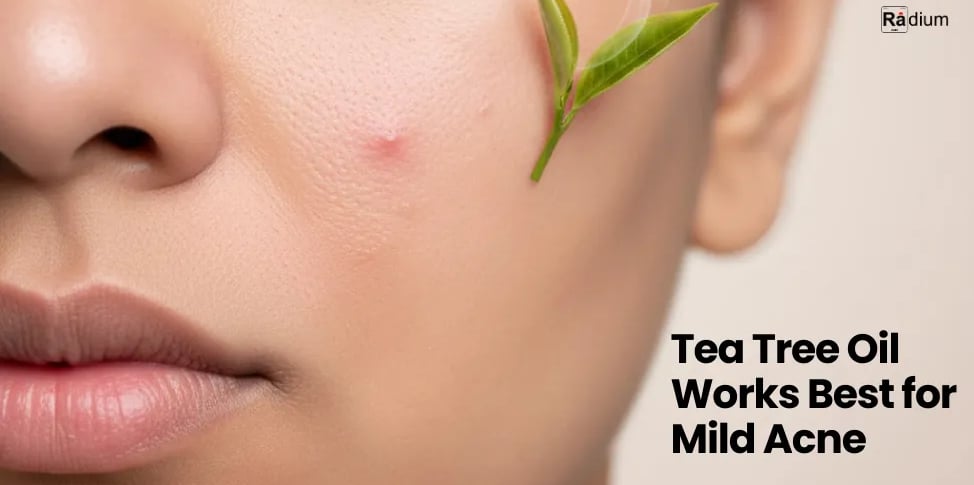
For pimpled and redness-causing skin, the tea tree acne solution will work better. It helps to reduce the swelling without affecting the protective barrier of the skin. In the case of blackheads and whiteheads or for the oily type of acne-prone skin, salicylic works better since it clears the pores.
If the acne is caused by sweating, pollution, or excessive oil on the skin, it is likely that the salicylic acid is more effective. If the breakout is caused by sensitivity, stress, or hormonal reasons, the tea tree oil may be more soothing.
Can Tea Tree Oil and Salicylic Acid Be Used Together?
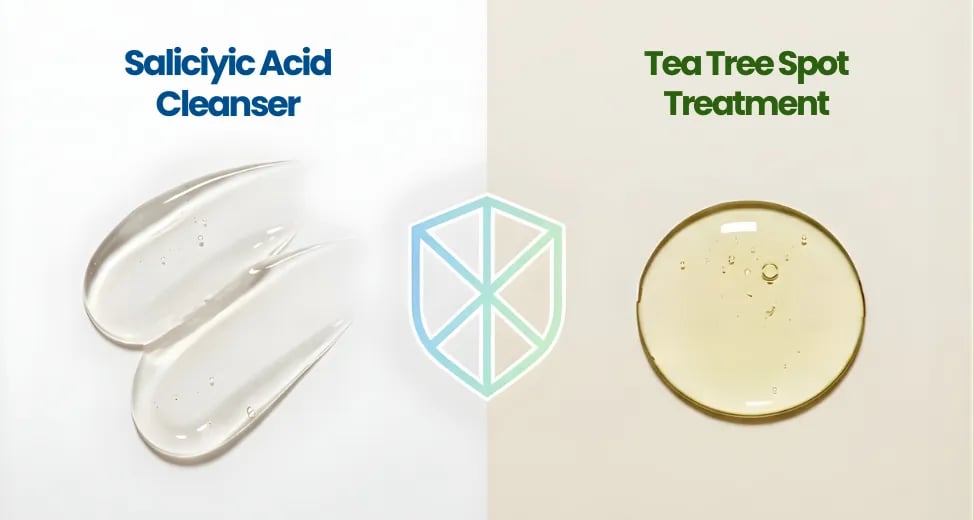
Yes, but with careful consideration. The key to combining the two sets of acne treatment ingredients is to layer them properly and use them in low percentages. For instance, use a salicylic acid facial cleanser to cleanse the skin and remove any pore obstruction, followed by an oil-free spot treatment containing tea tree oil to reduce inflammation.
However, using too much of both may impact the barrier function of the skin. Both moisturizing and sunscreen must be applied when using these ingredients.
How to Choose the Right Acne Treatment Ingredient
Whether to treat acne with tea tree or salicylic acid relies upon listening to your skin. If your skin is tight, irritated, and scaling, it would be better to go with tea tree oil. If your skin feels greasy and clogged, salicylic acid might give you better results.
Patch tests and gradual introduction are important. All the ingredients in acne treatments take time to work, and it is the consistent application that counts, not the strength.
The Importance of Supporting Ingredients
No matter what ingredient you pick, it’s essential to have an ingredient that preserves your skin barrier. Ceramides, niacinamide, and hyaluronic acid will serve this purpose. Without an optimal skin barrier, acne will exasperate even with the best acne treatment ingredients.
Sunscreen will also be needed since both tea tree and salicylic acids can cause increased skin sensitivity when exposed to the sun.
Supporting Your Acne Routine with the Right Daily Care
No matter whether you choose tea tree for acne or focus on salicylic acid benefits, your results will always depend on how well you support your skin before and after treatment. Ingredients for acne treatment work best on clean skin that is balanced and whose barrier is protected.Prep the skin with a mild cleanser, such as RadiumCare Face Wash, formulated to deep clean the skin, removing excess oil, dirt, and impurities without stripping it of its natural oils or causing dryness.A non-comedogenic, gentle face wash is particularly crucial when working with actives because rough cleansing will further exacerbate breakouts and make the skin more sensitive.
At night, your skin goes into repair mode. Using a nourishing yet lightweight moisturizer such as RadiumCare Night Cream will help to restore hydration, calm inflammation, and strengthen the skin barrier. This is significant, since both tea tree essential oil and salicylic acid have the potential to dry out the skin if it is not supported properly.
This marries active ingredients for acne treatments with a gentle cleanser and a repairing night cream to create a balanced routine that treats breakouts while maintaining the health, resilience, and comfort of the skin.
Final Verdict: Tea Tree Oil or Salicylic Acid?
There isn’t a straightforward answer for this one. Tea tree oil for acne is recommended for people who are interested in a natural remedy for acne and want something that will soothe their skin. It can help people who have oily skin and experience acne regularly. People who experience acne frequently will benefit from salicylic acid.
Knowing the needs of your skin and the use of acne treatment ingredients is always more effective than looking for a quick fix.
Conclusion
“It is a question of balance rather than aggression when it comes to acne. Whether one is talking about tea tree oil for acne or salicylic acid acne benefits, one thing that is essential is to be constant, and to wait. The active components in acne treatment creams and liquids function best by working with one’s skin rather than attacking it.”
In cases of approach, the right point where good and healthy skin does not lie at the extremes, but rather somewhere in the middle, after citing the necessary information and taking the required cautious approach when it comes to skincare.
Frequently asked questions
Is tea tree oil good for acne?
Yes, tea tree in acne treatment is documented to possess antibacterial and anti-inflammatory effects. It reduces acne-causing bacteria and soothes red acne, thus appropriate for mild to moderate acne.
What are the main salicylic acid benefits?
The benefits of salicylic acid include: it acts as a deeper cleanser of pores, has exfoliating properties, and prevents oil. In essence, it prevents pores from clogging and subsequently reduces blackheads.
Which is better for sensitive skin: tea tree or salicylic acid?
Tea tree essential oil tends to be milder and less irritating to the sensitive skin when properly diluted, whereas salicylic acid has a dehydrating effect if used excessively.
Can tea tree oil and salicylic acid be used together?
Yes, but with caution. In fact, combining both ingredients in an acne treatment in a balanced and properly spaced regimen is necessary to avoid irritating the skin.
Phone no. +91-84343 84343
Support: [email protected]
Location: 40-GF, Harmony Mall, Goregaon (W), Mumbai – 400


A Gentle Touch for Motherhood
Pregnancy-safe, thoughtfully crafted skin and personal care solutions designed to support women through every stage of motherhood.
Quick Links
Get in Touch