Free Shipping on every order till 25th Feb
Is Protein Powder Safe During Pregnancy?
Wondering if protein powder is safe during pregnancy? Learn benefits, risks, safe options, and how to choose clean nutrition for a healthy pregnancy.
2/7/20268 min read

A Friendly Guide for Moms-to-Be
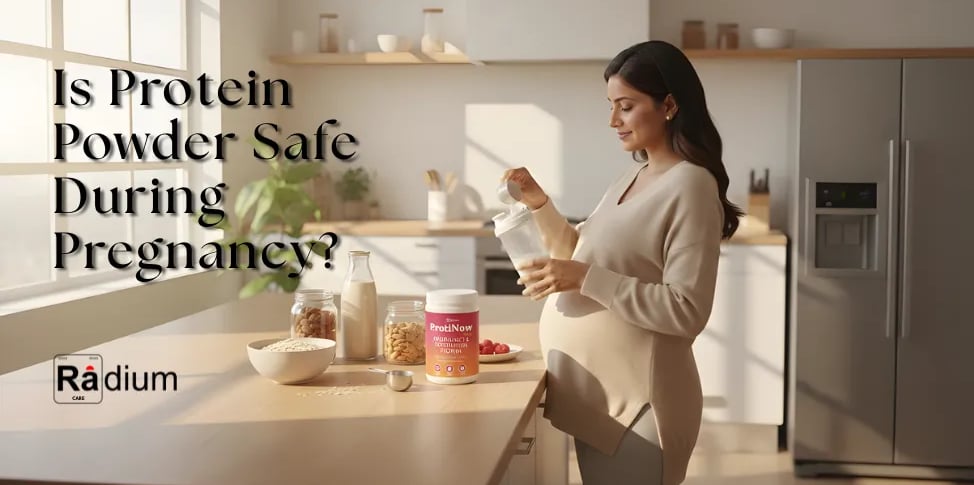
Pregnancy is a very revolutionary process that a woman can go through. As soon as you see these two pink lines, all the things change, your mood, your priorities, and even your attitude towards food. And nutrition is suddenly not merely eating, but a food to two. And, somewhere in this trip, a question always comes to the mind of many women: Is protein powder safe during pregnancy?
It is a sincere, significant, and frequently disorienting inquiry, particularly in a place where protein shakes and supplements are the norms. RadiumCare is of the opinion that pregnant mothers need to get answers that are easy to understand, supported by science and that are reassuring. No muddling, no bombarding, just convenient and friendly.
In this guide, we will explore why protein is a necessity throughout pregnancy, when a supplement can be of use and how to select a safe and pregnancy-friendly addition. And we will speak a few words about Protinow, not as a sales pitch, but as a case study of how with a well-designed, clean formula, expecting mothers can be assisted when food is not sufficient.
Why Pregnancy Increases Your Protein Needs
When you are pregnant, something exceptional happens to you body, it creates a whole new human being out of nothing. All the organs, all the cells, all the heart beats are created with the food you eat. Protein specifically is a leading role in this process.
Imagine that protein is the building blocks of all that grows in you: the muscles, bones, skin, tissues, brain and even placenta of the baby. More protein is also required by your own body to help it with more blood volume, growth of breast tissues, and hormonal transformations.
Most women are not aware of the fact that their protein needs increase rapidly. They may swell by approximately 40 45 during pregnancy. That is to say that you may not always be up to your regular diet, particularly when you find it hard to eat because of nausea, food aversions, morning sickness or varying appetites.
This is precisely where safe and clean protein supplements can come in to fill up the nutritional deficiencies with ease and without stress. However, the question is, actually, whether it is safe to use one.
So, Is Protein Powder Safe During Pregnancy?
The short answer: yes — if it’s a high-quality, clean, maternity-safe formula.
Most concerns arise not from the protein itself, but from the additives, artificial ingredients, sweeteners, fillers, or low-quality sources used in some commercial powders. The protein source also matters: whey, plant protein, and blends each have their pros and cons.
Doctors generally agree that protein powder can be safely consumed during pregnancy as long as it is free from harmful additives, heavy metals, artificial stimulants, unsafe herbs, and excessive sugars.
This is why identifying a good quality protein is crucial. Many women turn to supplements not to “boost fitness” but because they genuinely struggle to meet daily requirements through food alone. And during pregnancy, your goal is nourishment — not dieting, not muscle building, just gentle, consistent nutrition.
A thoughtfully designed formula like Protinow (mentioned here only to illustrate an example of a clean option) contains maternity-friendly nutrients like whey protein isolate, DHA, vitamins, and minerals — making it suitable for everyday consumption in moderation. But always remember: your doctor’s opinion matters most.
Why Many Pregnant Women Turn to Protein Powder
Each pregnancy differs, but the problem of protein supplementation can be useful to pregnant women in several cases:
1. Empty Nausea and Diminished Grass.
Eating whole meals may be a problem with nausea, vomiting, aversions to some smells, and erratic hunger. Having a mild and easy-to-digest protein shake can be a life saver.
2. Vegetarian or Fussy Eating Patterns.
The vegetarian and vegan diets are not always complete in the amino acid composition. Some foods might be avoided by even a non vegetarian on ground of taste, smell, or stomach ache during pregnancy.
3. Increased Nutritional Requirement of Second and Third Trimester.
Protein requirements are highest as your baby is developing fast. It is at this stage that most moms begin to experience feelings of hunger but at the same time feel more tired, a supplement will bridge the gap.
4. Busy Lifestyle & Fatigue
Pregnancy fatigue is real. It is not possible to prepare high-protein meals daily. A fast shake is a good way out, a stress-free one.
5. Vitamins: Avoiding Excessive Sugar or Junk Food.
Protein shake is a good substitute of snacks in case of cravings, which is more healthy when well prepared.
Although food will always be the most excellent form of primary nutrition, protein powder will be able to intervene when life or pregnancy comes in the way.
Understanding the Role of Protein in Your Baby’s Development
The magic behind pregnancy is that your body is just innately aware of what to do but it requires a sufficient building material to do the job. This is its quiet contribution made by protein:
Supports Baby’s Growth
The brain tissue, the skin, muscle, enzymes, antibodies, and so on, all need protein.
Helps in Placenta Formation
A healthy placenta means that the baby is well supplied with oxygen and nutrients.
Fosters Maternal Tissue Development.
Your uterus grows, your blood flows and your breasts swell – all of this with the help of protein.
Aids in Hormone Production
The hormones control nutrient absorption to the development of the fetus.
Helps Keep Energy Levels Unchanged.
Protein assists in regulating the level of glucose, alleviating fatigue and fluctuations.
That is why insufficient consumption of protein is associated with a decrease in birth weight and a decrease in fetal growth, which is what every mother does not want.
What You Should Avoid in Protein Powders During Pregnancy
This is what is most important. Protein powders are not made equally and some of them contain components that are not particularly right to pregnant women.
The following are what the expecting mothers should be wary of:
Artificial Sweeteners
Aspartame, sucralose or saccharin are some ingredients that may not be recommended in pregnancy.
Added Sugars
The powders contain a few extra calories which may cause overweight gain or even gestational diabetes.
Herbs & Botanical Extracts
Certain herbs in sports supplements (such as ginseng or ashwagandha) are contra-indicated when pregnant.
Excessive Caffeine
There are some caffeine or stimulants in some protein blends that are called energy or fat-burning, a huge no no during pregnancy.
Low-Quality Sources
Heavy metal and fillers should be avoided and proteins whose purity is not verified.
Unnecessary Additives
They should be minimized in colors, artificial flavors and thickening agents.
This is the reason why the clean formulations prepared using whey protein isolate, essential vitamins, DHA, and minerals such as in Protinow have been deemed as appropriate in case of inadequate intake of whole-foods.
How Much Protein Does a Pregnant Woman Actually Need?
During pregnancy, most physicians will prescribe between 75 and 100 grams of protein per day, depending on your weight, which trimester and the general diet.
However, this is the truth: not all women can reach these numbers.
In India particularly, breakfast and dinner are not very adequate in protein content and it becomes harder with aversion to pregnancy. This gap can be narrowed with a safe protein powder that does not coerce one to eat large meals and feel uncomfortable.
Nevertheless, it is not supposed to substitute food it is supposed to be a supportive effect, not a replacement.
Can Too Much Protein Be Harmful During Pregnancy?
Excess of anything is dangerous- protein included. Excessive intake can overload the kidneys or decrease the carbohydrates to be able to generate energy. However this normally occurs under extreme intake which is so uncommon among pregnant mothers.
It is safe and useful in moderate amounts that have the approval of doctors.
How to Incorporate Protein Powder Safely During Pregnancy
Protein powder is most preferred by most women in adding it to:
a morning glass of milk
banana smoothies, berry smoothies, or oats smoothies.
warm milk at night
still water trembles in case of a sensitive digestion.
It is not about so-called fitness-style shakes but nutritious, easy to drink beverages that make you feel satisfied and refreshed and aligned with what you eat.
A Gentle Example of a Pregnancy-Friendly Formula
The blog does not push products, although stating an example can aid a considerable part of the readers in comprehending what a good formula should look like.
A healthy supplement such as Protinow is a combination of high quality whey protein isolate with DHA, vitamins, and minerals; which are the nutrients commonly suggested in pregnancy to help the fetal brain grow, energy, and immunity as well as maternal health.
It is not necessary to take it every day, only those days when you feel so tired, or nauseated, or full that you cannot eat sufficient food. It is just nutritional aids, not a substitute of conscious eating.
A Mom Story Every Mom Can Identify With.


The young professional Anika who is entering her second trimester begins to feel fatigued more frequently. She attempts to eat properly but there are days when her breakfast seems too gross; on other days, she cannot even breathe the scent of eggs or lentils. Her doctor advises on the consumption of more protein, yet with her routine, it is not always a possibility.
She sits with a glass of warm milk mixed with a scoop of protein powder one evening after another hard working day. It is gentle, relaxing and does not make her stomach angry. After a week, she finds herself having fewer exhaustions. Her meals feel easier. Her energy stabilizes.
No hocus pocus–it is food.
One small action that helps a mother and a baby.
The pregnancy does not require perfection. It merely requires you to be nurtured, regular, and with little routines that can take care of you day by day.
Listening to Your Body Matters Most
There is no such thing as an ordinary pregnancy, an ordinary woman, and an ordinary nutritional need. What has been effective with one mother might not be effective with the other mother- and that is perfectly fine.
Prior to the addition of any supplement:
talk to your doctor
check the ingredient list
select a good safe, and maternity-friendly formula.
listen to how your body feels
Pregnancy is a period of transformation, quietness, slowness, and not stress.
Final Thoughts: A Mother’s Nutrition Is a Baby’s First Love Language
Protein powder isn’t a fad or a fitness obsession for pregnant women; it’s a tool. One that can help support you through the moments when your appetite drops, when your schedule is strenuous, or when your nutrient load feels heavy.
A safe, clean protein powder – if used in moderation and with the recommendations of your provider – is not simply safe in pregnancy, but it can also support many mothers, helping to nourish the body that is nourishing a little life.
Whether you’re struggling with nausea, fatigue, or changes in appetite, remember that you are not alone. Sometimes a small nutritional boost can help relieve the challenges of a healthier, or what you feel is a healthier, pregnancy.
And, if at any point you pick a formula like Protinow, only use it as a supplement- not a replacement, and only at your doctor’s approval, of course.
Pregnancy isn’t about being perfect.
It’s about nurturing, gently, consistently, and wholeheartedly.
For yourself.
And for the little heart that is growing in you.
Frequently asked questions
Is it safe to consume protein shakes while pregnant?
Typically, pregnant women can safely consume protein shakes that are clean, good quality, and contain no unsafe additives. Always look for safe-for-maternity brands and check with your physician.
What is the protein requirement during pregnancy?
Most women who are pregnant need between 75 and 100 grams of protein per day depending on factors such as trimester, weight, and medical conditions. If you have lower than usual protein intake, protein powder can be a useful tool to help fill the gap.
Can protein powder or protein shakes help with morning sickness?
Yes, several moms use mild-flavored protein shakes on the days they have nauseous feelings, vomiting, and/or food aversions when eating is difficult. It’s an easy solution to stay nourished without the burden of eating.
What is the best protein powder to use during pregnancy?
Whey protein isolate, as well as, clean plant proteins are often recommended. Steer clear of protein powders that are sweetened with artificial sweeteners, have added sugar, contain herbs, caffeine, or any unverified ingredients in them.
Phone no. +91-84343 84343
Support: [email protected]
Location: 40-GF, Harmony Mall, Goregaon (W), Mumbai – 400
A Gentle Touch for Motherhood
Pregnancy-safe, thoughtfully crafted skin and personal care solutions designed to support women through every stage of motherhood.
Quick Links
Get in Touch