
Introduction
Your intimate health is deeply connected to the balance inside — especially the balance of vaginal pH. A healthy vaginal pH helps maintain normal flora, prevent infections, reduce irritation, and support comfort.But many women don’t realize how everyday habits — bathing products, underwear, hygiene routines — can disturb this delicate balance.
In this guide, we show you exactly how to maintain vaginal pH naturally, what to do (and avoid) in your daily intimate care routine, and which ingredients or gentle products work best. For women who care about comfort and wellness, this is your go-to guide for balanced, healthy intimate hygiene.Where relevant, we also highlight gentle, women-focused products from RadiumCare that support healthy pH maintenance and feminine hygiene.
What is Vaginal pH — And Why It Matters
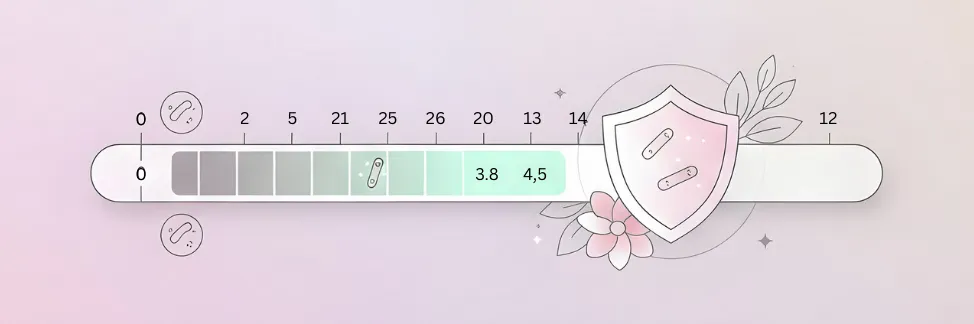
Vaginal pH is the level of acidity inside the vagina. The normal pH of a healthy vagina usually ranges between 3.8 and 4.5; thus, it is slightly acidic. This acidity is important for:
- Keeping protective good bacteria alive, such as lactobacilli
- Prevent the overgrowth of harmful bacteria or yeast.
- Avoid irritation, itching, and unwanted odor.
When the pH is disturbed-becomes more alkaline-it may render one more susceptible to infection, discomfort, and generally unpleasant symptoms. Hence, learning how to maintain vaginal pH is more than a hygiene topic; it concerns long-term health and comfort.
Everyday Habits That Affect Vaginal pH (Without You Realizing)
Ahead of immersing into the right care routine, just to look at what bad habits can do to the vaginal pH:
- Regular soaps or shower gels (they are usually too alkaline)
- Washing with very hot water
- Clothing themselves with tight synthetic underwear throughout the day.
- Applying perfumed wipes or body perfumes.
- Excessive washing or scrubbing of the intimate part.
- Lack of changes in pads/liners or ignorance of underwear hygiene.
- Failure to dry off following a wash.
You may find any of these in your daily life – then you need not panic. The positive news is: You can regain the balance with little modifications and due care.
Daily Intimate Care Routine to Maintain Vaginal pH
Here’s a soft, efficient intimate care routine that will help to preserve your natural pH without irritation and will be easy to follow:
1. Take a soft, pH-balanced intimate shower (rather than ordinary soap)
Your everyday cleanser of the intimate area should be gentle, balance the pH and it should not contain harsh chemicals. The frequent soaps or body washes used tend to disrupt the pH and deprive the skin of its natural moisture and this damages the skin barrier.
✅ Recommended solution: Take a dedicated intimate wash with neutral pH of approximately acidic, without fragrances, sulfates, and dyes.
RadiumCare tip: In case of any discomfort, discharge or irritation recurring, find a medically relevant solution in RadiumCare gynecological range. Our recipes are designed to help in sustaining the intimate needs of the women with proper guidance. To find out more or about the products, then go to the official RadiumCare site.
2. Wipe under-run of water cool but never hot.
Hot water removes natural oils, which make one dry. Use lukewarm water to clean. Do not scrub, frict or use rough washcloths. Light rinsing and light patting using a clean towel suffices.
3. Use underwear made of cotton and breathable.
Fabric matters. Natural-fiber or cotton underwear is breathable to allow air to move into the area and eliminate moisture, which in turn avoids irritation, thereby keeping the PH in balance. Do not use tight synthetic underwear over long periods of time.
During the night, when comfortable, think of letting the intimate area air out without underwear, it aids in the reduction of moisture and avoidance of the development of fungal or bacteria.
4. Wipe properly, front to back.
One of the hygiene tips that are very small yet very significant is to always wipe front to back after using the toilet. This avoids the transmission of bacteria in the anal region to the vagina that can interfere with the pH and result in infections.
5. Wipe off or replace sanitary pads or liners.
Although this may not seem like a practical suggestion, it is important that during menstruation or when on a liner, one should change them after every 4-6 hours (depending on menstrual flow) to ensure they are not kept warm and moist, and that this environment does not favor the growth of bacterial elements. Breathable pads should be used instead of synthetic pads.
6. Renourish internally – take water and eat well-balanced diet.
All body systems are hydrated, such as the vagina. Water intake, the ingestion of fiber food, probiotics (such as yogurt) and the general well-being assist in the successful flora, as well as pH balance.
7. Following intercourse – mild hygiene, do not douching.
In case of intercourse, do not do douching (washing inside). Instead:
- Apply a soft intimate washing (externally).
- Rinse with lukewarm water
- Do not use perfumed soaps or heavy detergents.
Semen is slightly alkaline in nature – a cold shower can restore normal pH. Excessive use of rough products following intercourse may prove worse than good.
Common Mistakes That Harm Vaginal pH (Avoid These!)
| Mistake | Why It’s Harmful |
| Using regular soap / body wash | Excessively alkaline, eliminates healthy bacteria and defense oil. |
| Scrubbing or using loofahs | Tears microscopically, causes irritation, pH imbalance. |
| Wearing tight and synthetic underwear all the time. | Retards water and heat; encourages bacteria. |
| Scented wipes / antiperspersives / perfumes. | Crude chemicals may put a sore in delicate skin. |
| Washing too often/ overwashing. | Disturbs the natural vegetation and barricade. |
| Douching / internal washes | Harmful – removes the healthy bacteria. |
| Ignoring pad / liner hygiene | Causes moisture build up, infections. |
These are the mistakes that one should avoid making just like one ought to follow good ones.
When to Use Soothing/Supportive Care
Even in good habits, your intimate part may feel:
- Slightly irritated
- Dry externally
- Disposed to light pain (change of weather, sweats, etc.)
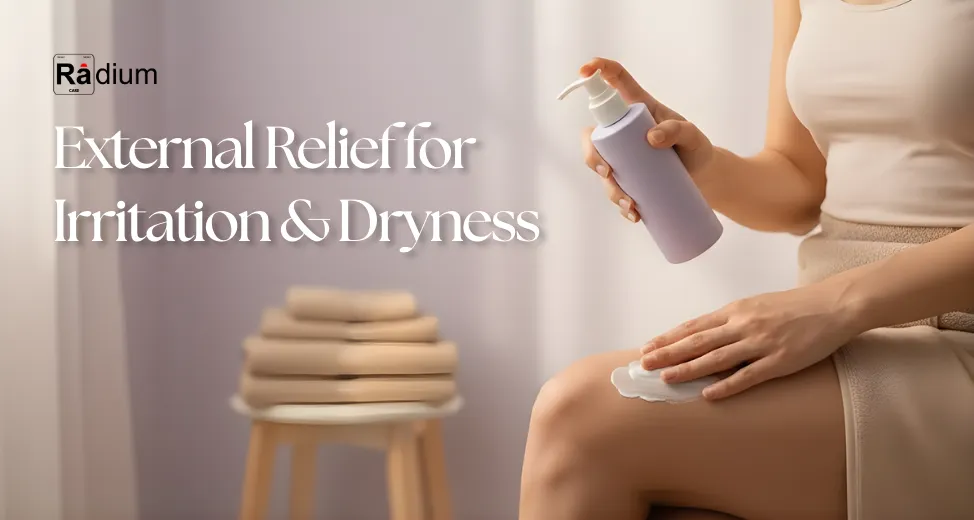
In a situation like this, mild supportive treatment comes to the rescue. Use mild, gentle and non-hazardous external care products – not internal washes.
E.g.: A lotion or cream to apply to the external skin that is burning or irritated, not internally. In case RadiumCare provides tender external, clinically tested soothing lotions (excluding internal use), they can be used to restore skin and skin barrier.
What to Know About Using Feminine Products & Supplements
You may see supplements, vitamins, or pills, but be careful. The pH balance in the vagina largely depends on the hygiene of the area, flora retention, and proper external care. Supplements can help your overall health, but they do not replace good daily habits. If you consider any internal supplement or medication for intimate health, always consult with a qualified gynecologist prior to initiating use.
Many products are advertised online, promising to “fix” vaginal pH; most of them are completely unnecessary or even harmful in cases of unsupervised use. Your intimate area is self-regulating and needs only gentle support, not aggressive treatments internally. A healthy lifestyle, good gut health, and proper hygiene often do much more for pH balance than any over-the-counter pill. If you ever feel persistent discomfort, unusual discharge, or recurrent infections, speak to a professional rather than trying self-medication. The gynecologist can identify the very root cause and recommend safe options tailored according to the needs of your body so as to let intimate care routine remain truly effective and supportive.
Final Thoughts & Gentle Care Routine for Women
A healthy pH isn’t maintained by complicated routines, but rather by thoughtful, gentle, and consistent care.
✅ Personal Care Checklist-Gentle Intimate Care
- Use pH-balanced intimate wash.
- Rinse with lukewarm water
- Pat dry, not rub
- Wear cotton and loose-fitting underwear
- Change sanitary pads/liners frequently
- Hydrate well & eat nutritionally.
- Practice cleaning from front to back
- Avoid harsh soaps, scented products, and douching
If it does get dry or irritated externally, a light, dermatologist-tested external lotion may be used, but no internal washes. With time, good care and healthy hygiene habits will help your vaginal flora thrive and pH stay balanced.
Why This Matters — Especially for Indian Women
In India, seasonal changes, climate, humidity, clothing material, and lifestyle can stress this sensitive vaginal flora. High humidity, synthetic fabrics, pollution, and often a lack of awareness regarding intimate hygiene make pH imbalance more common. By following an intimate hygiene routine of care and gentleness and using appropriate products, you give your body the environment it needs to stay healthy-naturally.
Excessive perspiration and retention of moisture in the Indian climate, especially in coastal and tropical regions, provide the right setting for an imbalance in the natural flora of the vagina. This is also compounded by the heat that gets trapped within tight and ill-ventilated clothes. It leads to irritation and infections more frequently than needed. Even daily practices can up the ante of discomfort: using strong soaps, overwashing, or ignoring the early signs of an imbalance. That is why it becomes very pertinent to understand how to maintain vaginal pH, choose mild cleansers, and take regular feminine hygiene tips. This allows one to create a simple and thoughtful intimate care routine that will see your body through humid summers, dry winters, and monsoon seasons. In fact, with the proper care, you ensure that your intimate area remains balanced, healthy, and resistant to damage.
Conclusion
Your body already knows how to maintain balance-but sometimes it just needs a little help. By learning how to keep your vaginal pH in balance, by practicing some very gentle yet powerful feminine hygiene tips, and by following simple, consistent intimate care routine, you can protect yourself from infections, discomfort, and irritation. With thoughtful care-not harsh products-you can ensure comfort, health, and confidence. Take care of yourself-gently, naturally, consistently.
Maintaining the right vaginal pH is not complicated; it’s all about being mindful with your everyday choices. These are some of the simple habits that make a difference: wearing breathable fabrics, using intimate washes that are pH-balanced, staying hydrated, and avoiding harsh chemicals. When your intimate care routine supports your natural flora, it keeps your body healthier, fresher, and more comfortable. Indeed, small changes lead to a lifetime of wellness.
FAQ — Common Questions About Vaginal pH & Hygiene
Que: What is the right pH for a healthy vagina?
Ans: A healthy vaginal pH is typically between 3.8 and 4.5 (slightly acidic).This acidity helps keep protective bacteria alive and prevents infection.
Que: Can regular soap disturb vaginal pH?
Ans: Yes, regular body soaps are often too alkaline and tend to strip the vagina of its natural protective oils and flora. Use a mild, pH-balanced intimate wash instead.
Que: Is it okay to wash the intimate area daily?
Ans: Yes-but only from the outside, and only once a day with lukewarm water and mild intimate wash. Never over-wash, scrub, or use internal washes/douching.
Que: Does diet affect vaginal health and pH?
Ans: Yes, hydration, probiotics, such as yogurt, fiber-rich foods, and a well-balanced life support healthy flora and pH balance.
Que: When should I consult a doctor?
Ans: If your symptoms include persistent itching, recurring odor, abnormal discharge, or burning/pain, these may be signs of a pH imbalance or infection. Never self-prescribe medication without first consulting with your doctor.